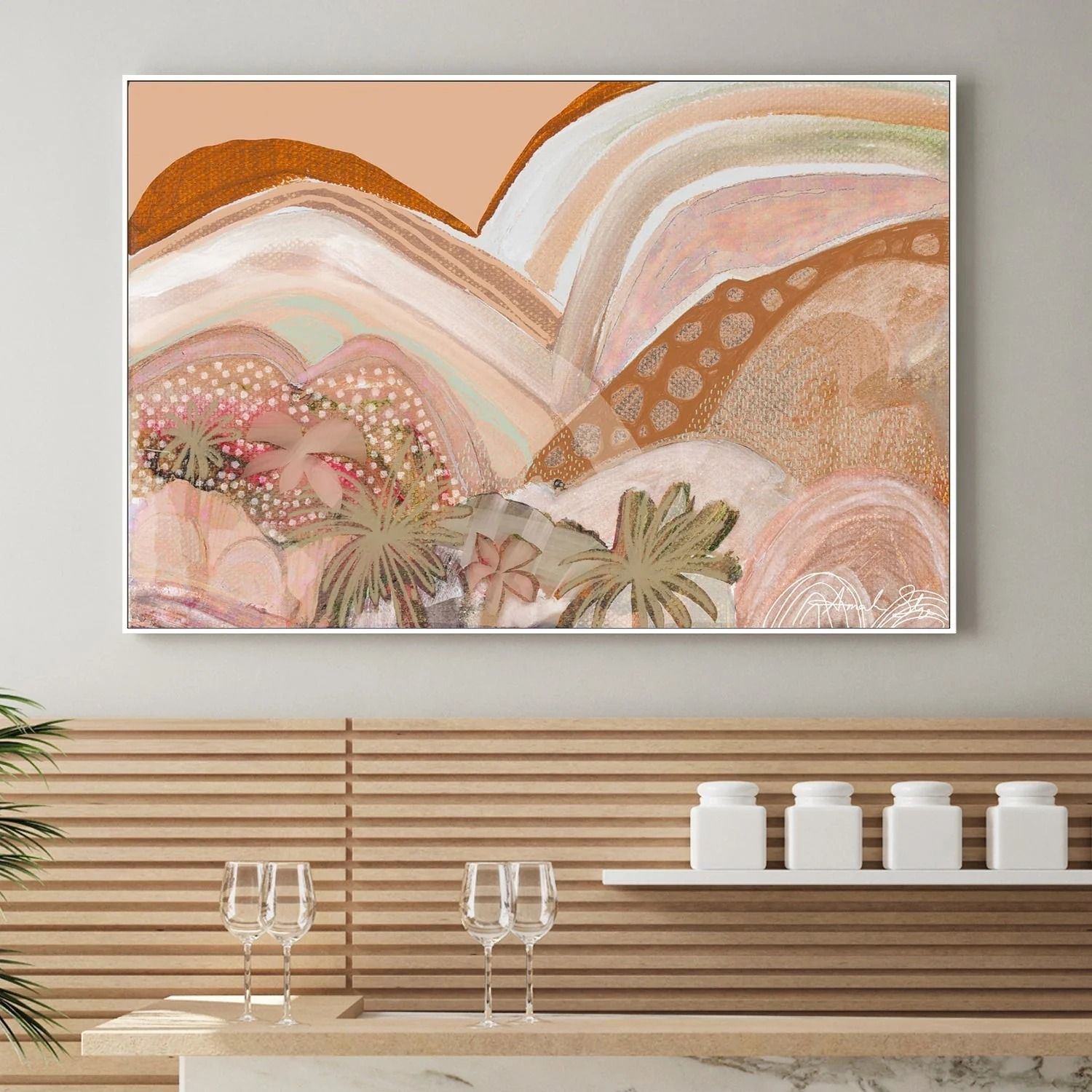
Why big wall pieces often fail—and how to fix it
Many homeowners buy oversized wall decor hoping it will instantly elevate the room, but the result can feel awkward instead of inspiring. The most common issue is scale: when the canvas is too small, it looks lost, and when it’s too large, it overwhelms the furniture and disrupts the room’s balance. large canvas wall art Another problem is visual clarity, where busy patterns compete with existing artwork, textures, or clutter on nearby surfaces. The fix is to treat the wall like a composition—measure first, then choose a piece that supports the room’s layout rather than fighting it.
Lighting also plays a bigger role than people expect with large-format prints. If the canvas receives harsh glare from a ceiling fixture or sits in a dim corner, the colors can appear washed out, reducing the impact of the artwork. Placement matters just as much: mounting too high can make the room feel top-heavy, while mounting too low can cut into seating or hamper sightlines. A simple adjustment—aiming for eye level and using soft, even light—often transforms a disappointing purchase into a true focal point.
Choose the right coastal theme to solve common design problems
Coastal-inspired artwork is especially effective for solving interior mood problems because it brings natural rhythm into the space. When a room feels heavy or overly formal, coastal wall scenes can soften the atmosphere with airy tones, gentle horizons, and calming composition. When coastal wall art a room feels bland, coastal art adds recognizable visual direction—waves, shoreline curves, or breezy gradients—so the eye has somewhere to rest. This creates a “designed” feeling without requiring a full redesign of furniture or paint.
To make coastal canvas wall art work with your existing interior, match the palette to your dominant colors. If your room leans neutral with beige, taupe, or warm greige, consider ocean-inspired blues and sandy highlights for contrast that still feels cohesive. If your space already has cool tones, pick canvas designs with deeper sea colors and lighter foam-like accents to keep the artwork from blending into the background. With the right color balance, the artwork becomes the bridge between your decor layers—so the room looks intentional, not accidental.
Placement and size strategies for statement results
The easiest way to avoid a mismatch is to plan placement around key furniture lines. As a rule of thumb, the artwork should occupy a meaningful portion of the wall width so it frames the space rather than floating in isolation. If you’re unsure, start by measuring the wall and considering a layout that leaves balanced breathing room on each side.
Height is where many installations go wrong, but it’s also where you can get fast wins. Mounting too high can make the artwork feel distant and disconnected from the room’s everyday use, while mounting too low can interfere with furniture and visual flow. Eye level is a helpful starting point, but you should also account for the height of the sofa back or the sightline from common seating positions. For rooms with multiple elements, aim to align the canvas center with the most important visual axis—such as the center of a coffee table or the midpoint of a feature wall.
Conclusion
Large-scale wall decor doesn’t have to be a guessing game, and you don’t need a full renovation to get impressive results. By addressing scale, lighting, and placement first, you remove the common reasons oversized pieces feel awkward or underwhelming. Then, by selecting a calming coastal concept that matches your palette, you create a focal point that improves the room’s mood and visual coherence. When you’re ready to elevate your interior with bold artistic style, browse options from gioiawallart.com to find statement-ready designs tailored for dramatic impact. Thoughtfully chosen pieces can transform blank walls into immersive, cohesive environments. With the right measurements and theme, your space can feel more balanced, more curated, and far more inviting.
