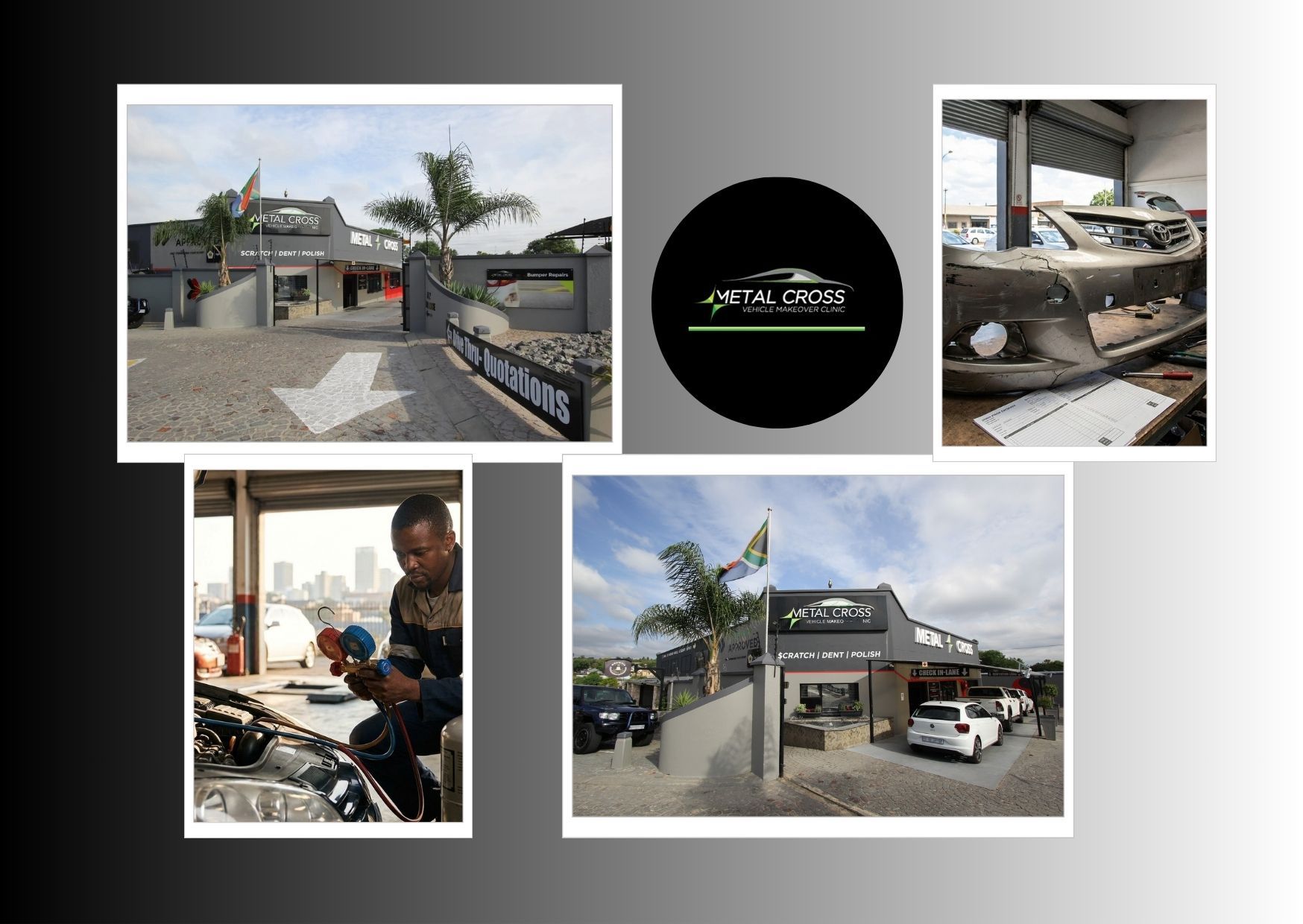
How hail impacts your vehicle’s body and paint
Even when dents look shallow from a distance, the metal can be stretched, the paint can be stressed, and clear coats may develop tiny cracks. When hail damage repair moisture gets trapped in those micro-damages, rust risk increases and the surface can lose its smooth, glossy finish. The result is often an uneven appearance that can’t be resolved with simple washing or polishing alone.
Damage patterns also matter. Hail often hits panels in repeated impacts, creating clusters of dimples on the hood, roof, and trunk, while edges and character lines may show deeper deformation. Bumpers and trim pieces can experience different stress due to their materials, including plastic flex and paint adhesion challenges. A proper assessment helps determine whether the repair should focus on reshaping, paint restoration, or both to return the original look.
Problem-to-solution approach: inspection, plan, and restoration
A practical problem-solution approach begins with a detailed inspection under strong lighting. Technicians look at dent depth, paint condition, panel alignment, and whether any layers have been compromised. This step is essential because the best method depends car bumper repair on the type of impact and how the surface reacted. For example, some areas may be suitable for dent-focused reshaping, while others require paint correction to remove dullness or surface texture.
Once the plan is set, the next goal is to restore the panel without introducing new issues. The process may include careful panel preparation, controlled reshaping, and surface finishing that matches surrounding areas. In cases where hail affected multiple panels, repairs are coordinated to maintain consistent sheen and colour blending. When the finish is polished correctly, the vehicle’s appearance looks unified rather than patchy or “spot repaired.”
Repairing plastics and edges: what to know about bumpers
Many hail storms leave visible scarring on exterior bumpers, and that creates a different set of challenges than repairing sheet metal. Plastic parts can flex during impact, which may cause dents to look worse when the panel is first inspected. Paint adhesion can also be affected, especially where hail impacts break the smoothness of the surface. A careful approach helps prevent distortion and ensures the repaired area holds its finish over time.
Technicians typically check for warping, cracks, and any loosened clips or mounting points. The repair then targets both appearance and fit, since misalignment can lead to uneven gaps and future water ingress. After reshaping and finishing, the bumper should blend naturally with nearby panels in terms of gloss, texture, and line definition.
Conclusion
The fastest route to a professional outcome is to treat hail damage as a structured repair problem, not just a cosmetic inconvenience. Start with a precise inspection, choose a method that matches the material and dent behaviour, and finish with careful surface restoration so the paint and panel look consistent. This is especially important when multiple panels or plastic components are affected, because each surface reacts differently to impacts. With the right workmanship, the vehicle can regain a clean, factory-like appearance instead of a compromised patchwork look. If you want skilled, detail-focused work for dents and weather-related scarring, metalcross.co.za offers practical solutions for restoring your car’s exterior. Their focus on repair quality helps address both the visible damage and the underlying surface concerns that can lead to long-term problems. By combining correct assessment with careful restoration, you can move from frustration after a storm to confidence in a smooth, well-finished result.
