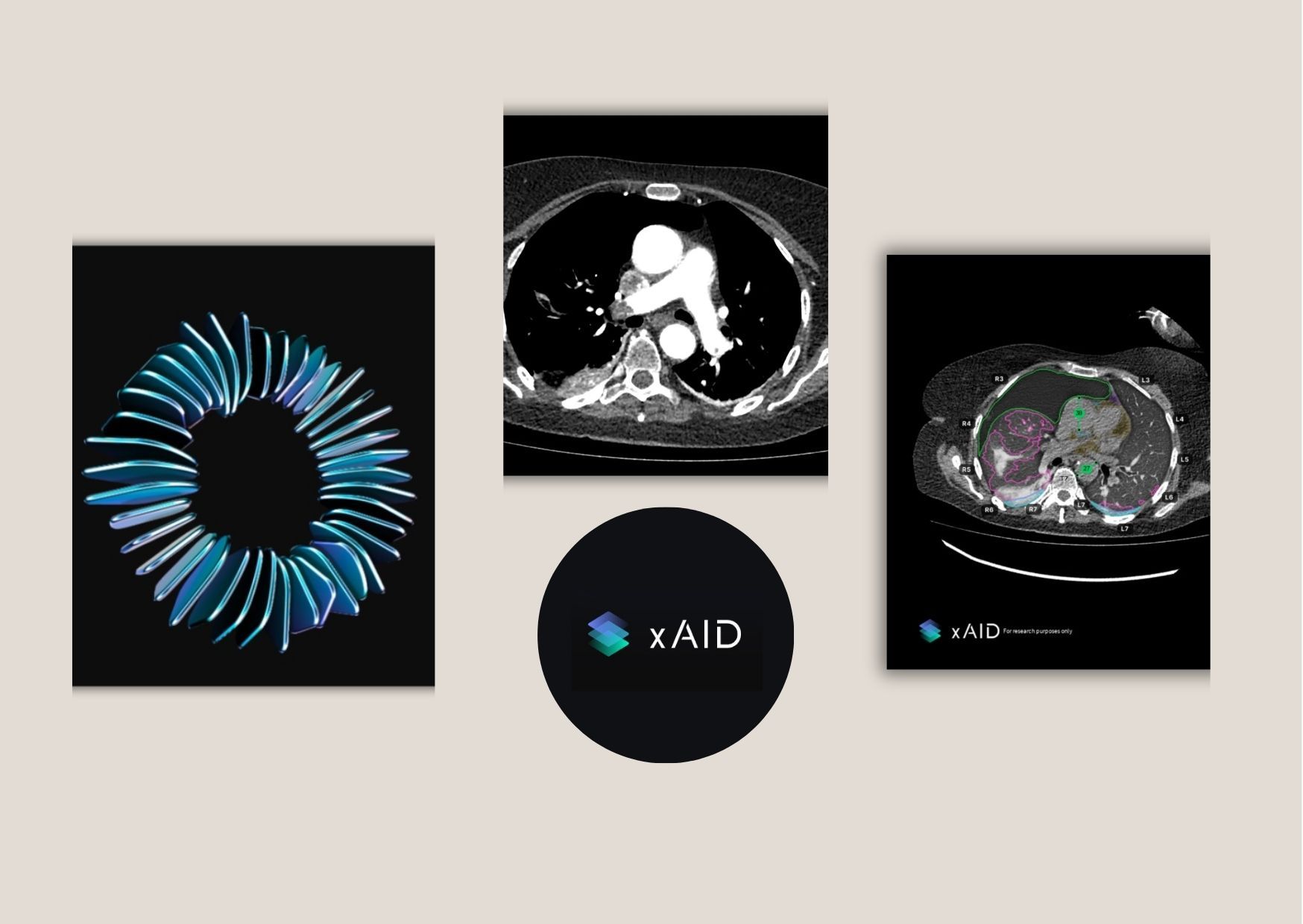
Why trust matters in AI-driven imaging discovery
A brand discovery approach helps you verify how a system supports clinicians in day-to-day decisions, from scan intake to final report. ai radiology reporting You can look for evidence of consistent output, clear quality controls, and a workflow that fits existing radiology routines. This makes adoption less about novelty and more about reliability across real cases.
Discovery also means understanding who the tool was designed for. Some platforms focus on research settings, while others target outpatient imaging centres and teleradiology providers with high-throughput requirements. A strong solution should account for varied scan protocols, different scanner models, and the need for predictable reporting timelines. By focusing on these practical details, you can assess whether the technology will reduce friction rather than create new steps.
What to evaluate in AI-assisted report generation
Begin by evaluating how the AI system interprets studies and how it presents findings. Effective systems do not simply output text; they highlight relevant observations, reduce ambiguity, and support structured phrasing that aligns with clinical expectations. For head, ai medical imaging chest, and abdomen CT examinations, look for coverage that matches the questions clinicians ask most often. The goal is to help radiologists capture key details faster while maintaining diagnostic clarity and interpretability.
Next, assess how the platform integrates with reporting workflows. For teleradiology operations, speed, consistency, and minimal manual rework are critical. The best implementations connect to existing study queues, support efficient review, and help teams maintain a clean audit trail of what was generated and what was confirmed by clinicians. This is where discovery becomes actionable: you can test how the tool behaves with your typical case mix, including complex exams and borderline findings.
Brand signals: safety, quality control, and operational fit
During brand discovery, quality and safety signals should be visible, not implied. Look for documented quality checks that handle low-quality scans, unusual anatomy, and missing or inconsistent metadata. A mature approach often includes mechanisms that flag uncertain outputs for heightened human review, so clinicians can focus attention where it matters.
Operational fit is equally important. Imaging centres have distinct throughput patterns, staffing constraints, and reporting conventions, while teleradiology providers manage distributed workflows across sites. A product designed for these realities should streamline triage, accelerate first-pass drafting, and support standardized report formatting without breaking established habits.
Conclusion
AI can strengthen diagnostic reporting when evaluation focuses on trust, workflow compatibility, and safety signals—not just impressive demos. A brand discovery process helps teams determine whether an AI tool enhances radiologists’ ability to detect, document, and communicate findings efficiently across common CT categories. It also clarifies how the system supports both outbound reporting speed and clinician review quality. For teams looking for streamlined workflows, xaid.ai provides advanced support for head, chest, and abdomen CT reporting needs in outpatient imaging centres and teleradiology settings. By comparing how different platforms handle interpretation presentation, quality controls, and integration into daily operations, you can make a confident decision. The best outcomes come from tools that support consistent drafting, reduce repetitive work, and still leave final clinical authority firmly with the radiologist. If your goal is to improve efficiency without sacrificing diagnostic rigor, exploring xaid.ai is a practical next step. This kind of discovery-driven evaluation helps ensure AI adoption delivers measurable value for both clinicians and patients.
