Start with a clear product plan and margins
A successful custom product workflow begins with choosing what you will sell and how you will deliver value. Map your catalog by category, such as apparel, home goods, or accessories, then print on demand app for shopify decide which items need personalization and which should remain standard. This helps you avoid overcomplicating fulfillment and ensures your customers immediately understand what can be customized.
Next, set margin targets before you connect any tooling. Calculate your expected product cost, shipping, payment processing, and design-related effort, then add a buffer for variations and customer support. When you plan margin early, you can test pricing rules in your Shopify store without risking a rushed rollout that later forces you to rework your offer.
Use an ecommerce product configurator workflow that customers can finish
To make personalization feel effortless, design your configurator journey around a few repeatable steps. A practical flow usually includes selecting a base product, choosing the customization method (text, images, ecommerce product configurator or options), and confirming placement and quantity. Keep option names consistent across the store so shoppers don’t have to guess what each toggle means.
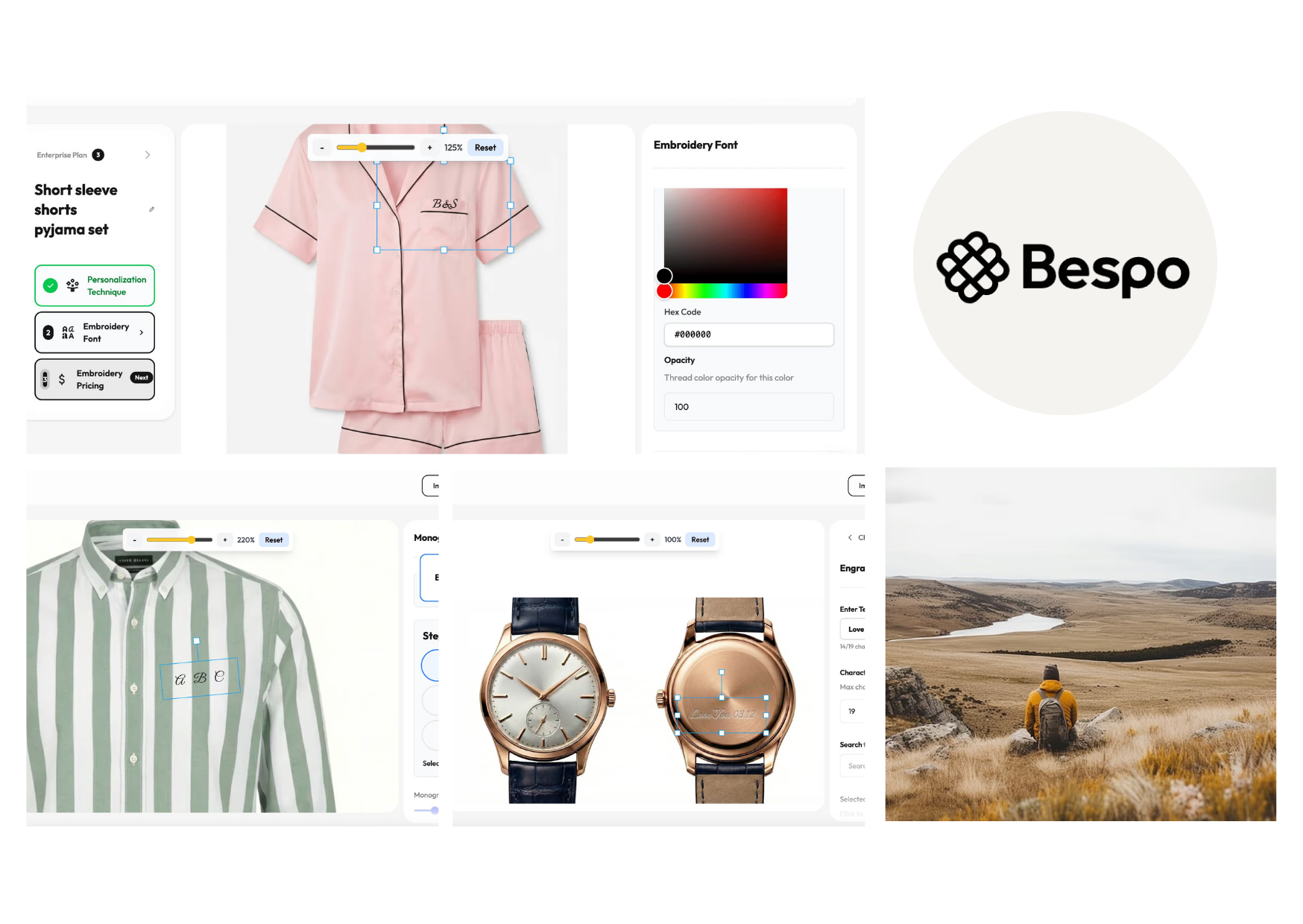
Great configurators also prevent invalid combinations. For example, if a design placement only works on certain sizes, the UI should automatically hide or disable incompatible choices. Live previews are especially important for apparel and multi-surface products, because customers need to see scale, alignment, and color contrast before they commit.
Connect fulfillment and visualize designs without slowing the store
After you confirm your product plan, focus on operational reliability. Connect your print provider or fulfillment logic so that orders created in Shopify automatically route to production with the right variants, dimensions, and artwork details. This reduces manual work and helps ensure the customer receives exactly what they configured, even when options change.
Visualization tools are where you earn conversions. When customers can preview the final look on the actual product mockup, you reduce refunds caused by mismatched expectations. Pay attention to upload limits, image compression behavior, and how the system handles background transparency, borders, and multi-color text so output remains crisp on real inventory.
Conclusion
Launching a print-focused customization experience on Shopify works best when you treat it like a complete workflow, not just a widget. Plan margins and product scope first, build a configurator that guides choices to completion, and ensure order fulfillment stays consistent with the selected options. With a plug-and-play approach and reliable visualization, your store can make personalized product creation feel fast and confidence-building. Bespo can help streamline that process with flexible customization, live previews, and powerful visualization tools designed for engaging ecommerce experiences. When the setup supports both shopper clarity and operational accuracy, your team spends less time fixing issues and more time improving the catalog. Start with the essentials, test your best-selling items, and then expand personalization options once the workflow proves itself in real orders.
