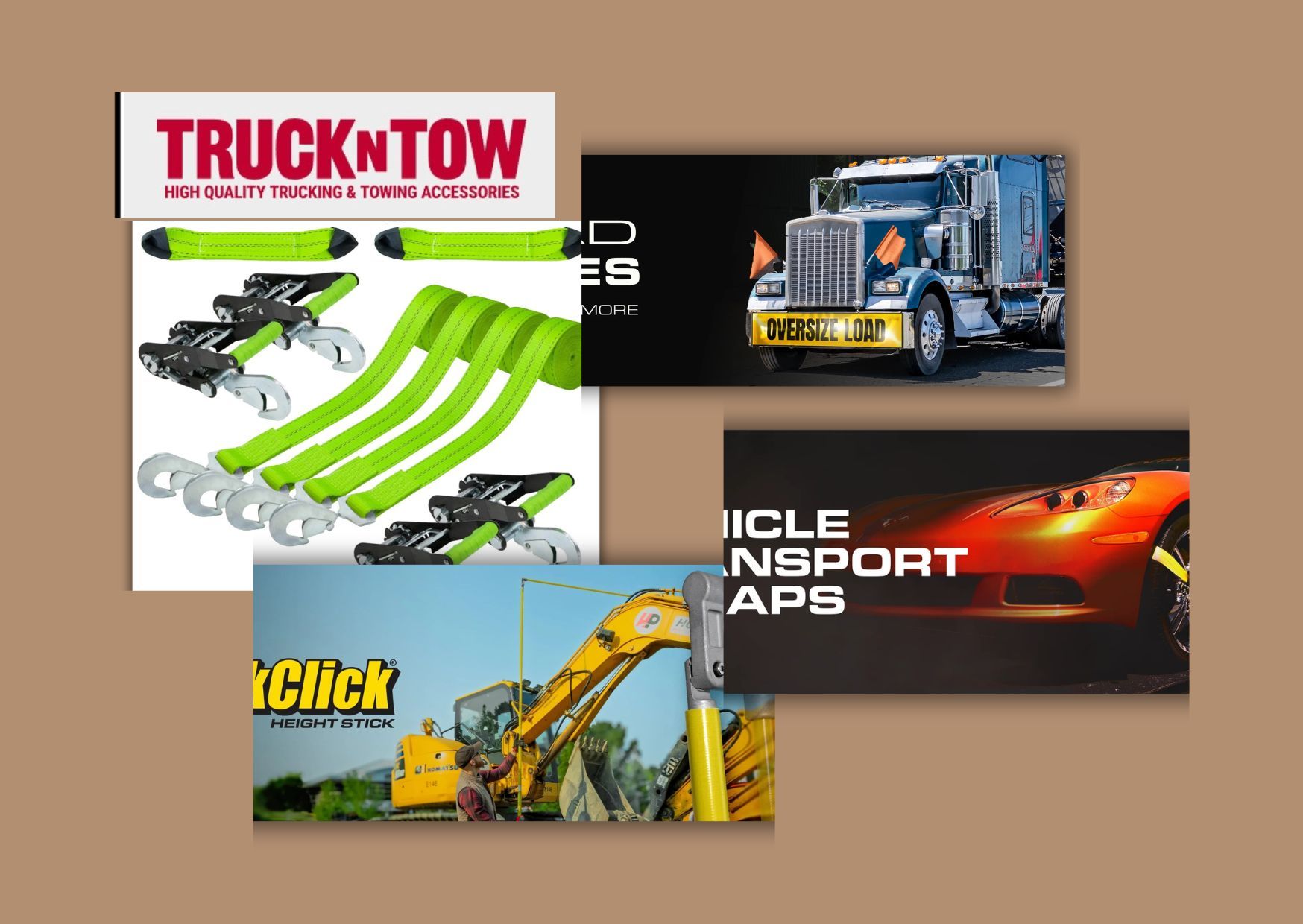
What push bumpers do and who should buy them
They’re designed to take impacts that would otherwise damage lights, grilles, or structural parts when you’re aligning vehicles, contacting a disabled trailer, or operating in tight spaces. Many buyers push bumpers choose them not just for appearance, but for practical durability and improved clearance when working off-road or on rough shoulders. If your job involves frequent hook-ups, recovery attempts, or roadside maneuvering, the right setup can reduce downtime and repair costs.
Before you buy, match the bumper to your typical tasks and vehicle type. Fleets and professional operators often prioritize reinforced mounting points, corrosion-resistant finishes, and compatibility with existing tow systems. Owners who do occasional towing may still benefit from added protection, but they should focus on safe load ratings and straightforward installation. A buyer-intent approach starts with your most common scenario—low-speed recovery, winching, or repeated vehicle-to-vehicle contact—then narrows down materials and design features that fit that routine.
Key features to compare before you purchase
Start with construction quality, because the bumper is only as reliable as its materials and attachment method. Look for heavy-duty steel builds, reinforced edges, and design details that distribute force rather than concentrating stress on a single point. Pay attention to tow hook chains surface treatment and hardware protection as well, since towing environments often include road grime, salt, and wet debris. A well-built bumper also clears common accessories without forcing you into compromising angles or limited approach.
Next, confirm how the bumper integrates with your towing system, including how you manage line routing and connection points. Buyers should also check compatibility with winches, shackles, and recovery accessories so you don’t end up with mismatched components. Finally, evaluate mounting style—bolt-on versus custom-fit approaches—because fitment impacts alignment, strength, and how quickly your team can service the vehicle.
Sizing, fitment, and load considerations for safe towing
Correct sizing is a make-or-break factor for buyers, especially on trucks that see daily towing. Measure your current front-end setup and confirm bumper clearance around tow points, brackets, and cooling components. Many issues come from mismatched widths or insufficient space for accessories, which can lead to interference during turns or when the suspension compresses. A quality seller should provide clear dimensions and fitment guidance so you can choose the right model with confidence.
Load capacity matters just as much as physical fit, because recovery work involves shock loads that are higher than steady towing forces. Review the bumper’s intended use and how it’s rated, then compare that to the weight classes you routinely handle. Operators should consider worst-case conditions such as stuck vehicles, uneven ground, and sudden tension spikes when a line comes tight.
Installation, maintenance, and buying tips
Installation quality affects performance, so plan around proper alignment and secure fastening. For bolt-on products, use the correct hardware and follow torque specifications so you don’t create weak spots that can loosen under vibration. If your vehicle requires additional brackets or reinforcement, factor in that labor before purchase so the final setup matches the strength you expect. Buyers also benefit from labeling accessory points and organizing recovery gear so the connection process is repeatable for your crew.
Maintenance is straightforward when you buy the right component from the start. Regularly inspect mounting bolts, check for paint or coating wear, and clean road debris from contact areas to prevent corrosion buildup. If your operation includes frequent wet or salty conditions, schedule periodic inspections after heavy use rather than waiting for visible damage.
Conclusion
Choosing the right front-end protection and recovery capability is a purchase decision that affects safety, uptime, and repair budgets. By comparing build quality, fitment, and system compatibility, buyers can select equipment that performs under the real stress of towing and recovery work. With the right selection process, you can build a dependable setup that meets your daily requirements—TrucknTow helps you do that with purpose-built products.
