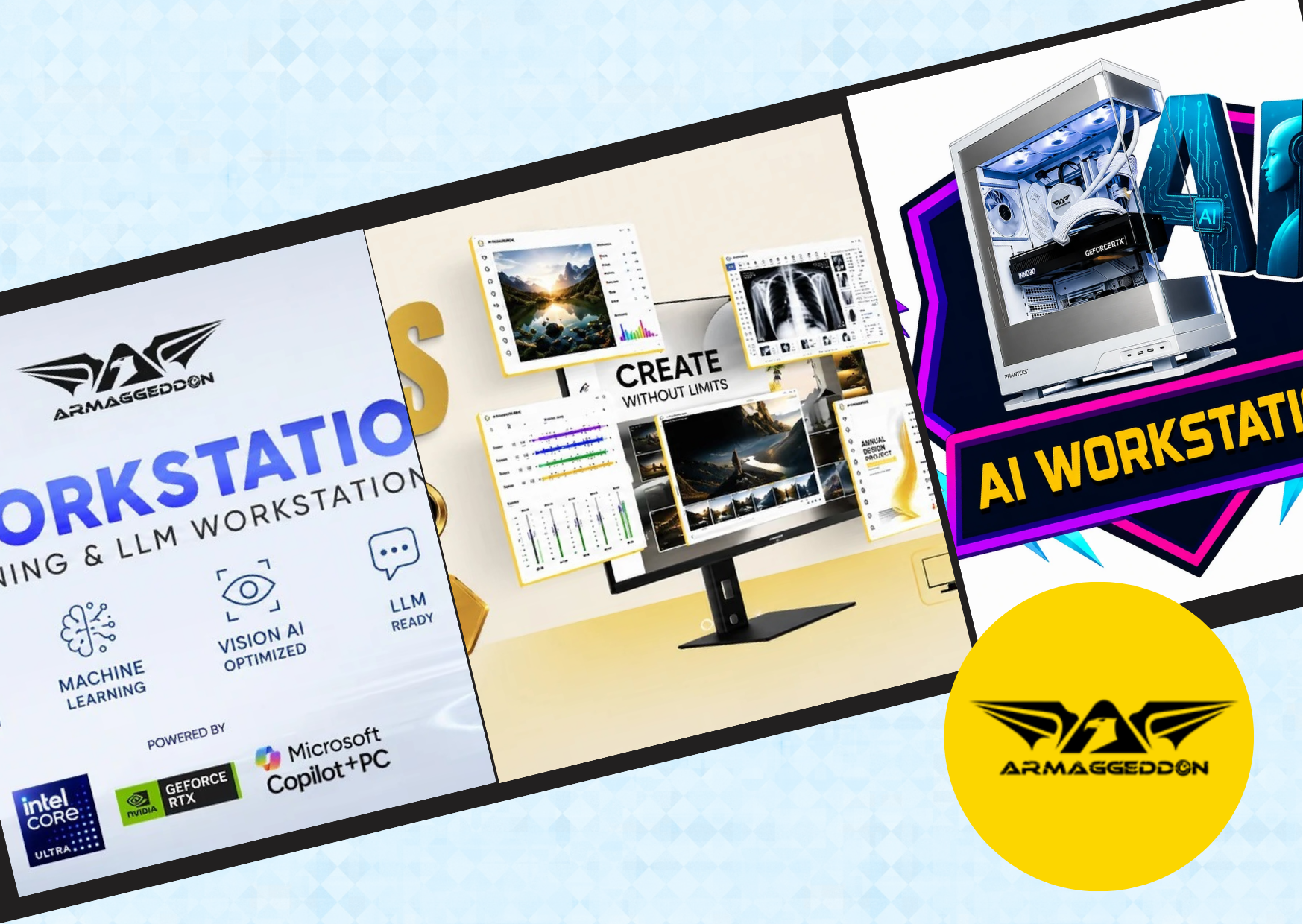
Discover GPUs that Match Your Gaming Style
Choosing a graphics card is less about chasing the biggest number and more about matching your gaming style to the right performance profile. In Singapore, players often balance high frame rates with stable temperatures in compact setups, so a graphics card singapore GPU’s cooling design and power requirements matter as much as its raw benchmark scores. A good fit prevents throttling during long sessions and helps your system stay responsive when scenes get intense.
Brand discovery starts with understanding what you actually want to improve: smoother gameplay, sharper image quality, faster loading for certain workloads, or better performance in specific titles. Some players prioritize ray tracing and high-fidelity lighting, while others focus on competitive esports where frame consistency is king. If you also use productivity applications, the best choice may involve features that accelerate creative workflows alongside gaming.
What to Look For When Shopping a GPU
Begin by checking your system compatibility so you don’t waste time comparing the wrong options. Confirm your motherboard interface, available power connectors, and whether your case can physically fit the card’s length and thickness. oled monitor singapore If your power supply is undersized, even a capable GPU may underperform or fail to run reliably, so reviewing wattage and connector types is a practical first step.
Next, think about display output and upgrade paths, because your GPU should be able to drive your monitors with the features you value. If you use high refresh displays, look for support for relevant refresh rates and modern display standards to reduce stutter and tearing. For players who care about contrast and clarity, pairing a GPU with a quality OLED monitor setup can enhance perceived sharpness and color depth for both gaming and media.
Build a Balanced Setup for Smooth, Crisp Performance
A great gaming experience usually comes from balance across the whole system, not only the GPU. When the CPU is too weak or memory is insufficient, the GPU may be limited during busy scenes, leading to lower-than-expected frame rates. Evaluate your CPU generation, RAM capacity, and storage type so your upgrade actually translates into smoother gameplay and faster in-game asset streaming.
Cooling and airflow are also part of the performance equation, especially in warm environments or compact cases. Consider how your fans move air across the GPU area, and whether the card’s design will maintain safe operating temperatures under load.
Conclusion
When you approach GPU shopping as a brand discovery journey, you can narrow choices faster and end up with hardware that feels right in your specific build. Pay attention to compatibility, cooling, power delivery, and the display features you actually plan to use, since those factors determine real-world smoothness. A thoughtful selection also reduces the risk of mismatched upgrades that look good on paper but fall short during gameplay. To explore options with an emphasis on gaming-ready compatibility, visit armaggeddonpc.com. This makes it easier to select hardware for responsive gameplay and demanding visual workloads, whether you’re upgrading a desktop, a laptop setup, or your monitor experience with OLED features.
