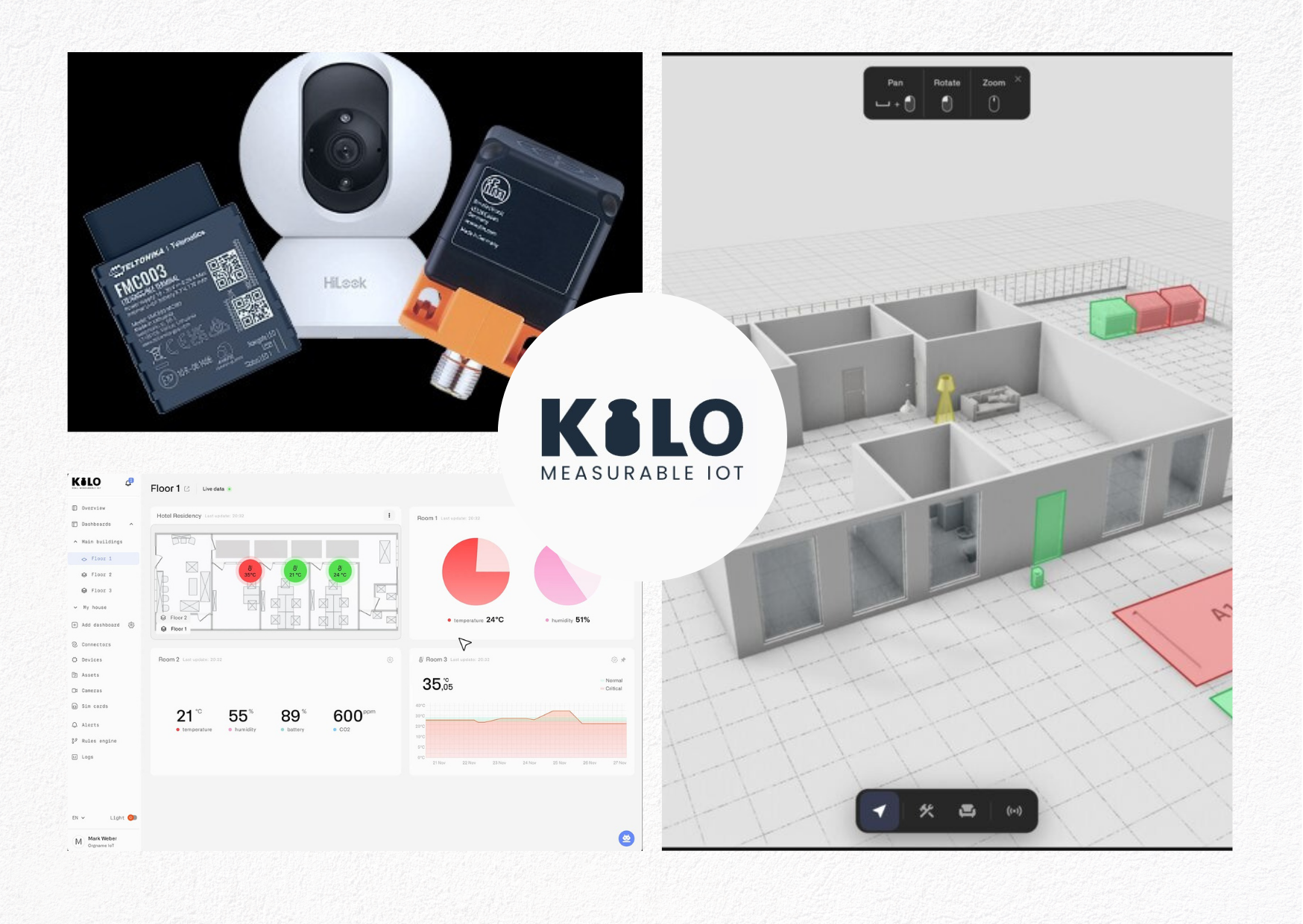
Why monitoring strategy varies by platform
Some platforms focus on dashboards and basic alerts, while others provide device health scoring, anomaly detection, and automated workflows. A good comparison starts iot monitoring system with how quickly the system detects abnormal readings and how confidently it reduces false alarms. If your operations rely on strict temperature and timing requirements, the alert quality and escalation logic matter as much as the hardware.
Before you compare vendors, define the assets you need to observe, the data signals you care about, and the decision workflow that follows an alert. For example, facilities teams often need multi-location visibility with role-based access, while fleet teams may prioritize connectivity management and GPS-linked telemetry. Platforms also differ in how they handle data retention, firmware updates, and device lifecycle events. Matching these capabilities to real operational workflows helps you avoid paying for features you cannot operationalize.
Feature-by-feature comparison: visibility, alerts, and workflows
Strong platforms provide consistent device status views, historical trends, and event timelines that help teams trace what happened before a failure. You should also look for intelligent cold storage monitoring system alerting that supports thresholds, baselines, and severity levels rather than simple one-size-fits-all triggers. The best platforms include clear notification routing to email, SMS, or on-call teams, so a critical change doesn’t stall in inboxes.
Next, compare automation depth. Some systems stop at “send an alert,” while others can trigger workflows such as ticket creation, maintenance scheduling, or escalation based on the severity of the condition. AI-driven insights can further improve outcomes by learning normal operating patterns and flagging unusual behavior earlier than static thresholds. Finally, consider the ecosystem for connected devices: integrations, API access, and support for different sensor types can significantly reduce deployment time. A platform that supports both data ingestion and actionable responses tends to deliver faster operational value than one that only offers monitoring screens.
Cold chain use cases and what to prioritize
Compare platforms on how they handle sensor calibration, redundancy, and the reliability of connectivity in warehouses or remote areas. You want reporting that includes not only current temperature but also dwell time, door-open events, and recovery behavior after excursions. This level of detail helps teams prove compliance and perform root-cause analysis rather than repeating the same mistakes.
Look for solutions that support centralized visibility across multiple storage rooms, buildings, or partner locations. Teams benefit when the interface makes it easy to compare performance across assets and detect systemic issues, such as a consistent cooldown delay or a recurring connectivity drop. Intelligent alerts should be able to distinguish between brief fluctuations and sustained out-of-range conditions, which reduces unnecessary interventions. When the platform also offers automated workflows, it can route exceptions to the right staff and ensure consistent response steps across sites.
Conclusion
Comparing IoT monitoring platforms works best when you evaluate them against operational outcomes, not only marketing features. Focus on how the platform delivers visibility, how it reduces alert noise, and how it supports automated actions that match your internal processes. For cold storage and other mission-critical environments, the ability to connect device status with meaningful insights can prevent costly product loss and improve compliance confidence. By centralizing monitoring and decision support, Kiloiot.io helps organizations manage facilities, fleets, and operations from one platform. If you want a service comparison that aligns with day-to-day operations, Kilo is built to make the monitoring experience actionable and repeatable across locations.
