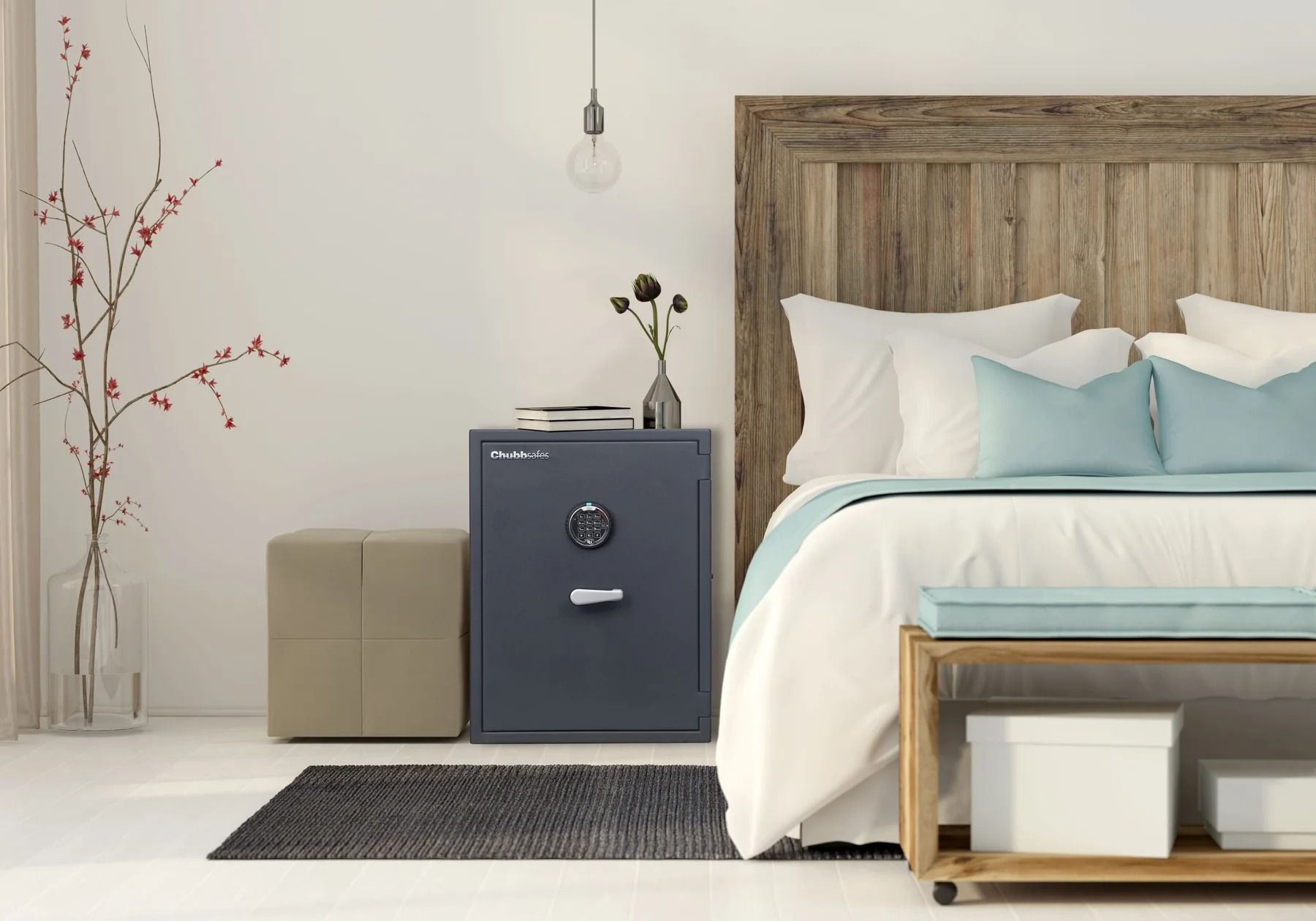
Start with your security goals and use case
Before you compare models, decide what you need to protect and how you expect the safe to be used. Many people start with documents, jewelry, cash, and spare keys, but your list may also include electronics, small tools, or sensitive work items. A practical approach is to chubb safes write down the items, their approximate sizes, and how often you access them, because this influences both interior layout and locking convenience. If you’re selecting for a workplace, consider visitor access patterns and whether staff will need rapid, consistent entry.
Next, think about the threat you’re planning for. Most home and office safes are chosen to slow down opportunistic theft and protect against unauthorized entry, rather than to withstand every extreme scenario. Consider whether someone could try common attack methods like prying, drilling, or lock manipulation, and choose a safe designed for that reality. You should also plan for safe placement, since mounting and anchoring can be as important as the safe’s construction when it comes to resisting removal or leverage.
Pick the right safe type: documents, cash, and firearm storage
Safes come in different categories, and matching the type to the contents will improve both safety and usability. If your primary concern is paperwork and valuables, focus on interior shelves, document file compatibility, and smooth organization so you can store items without forcing them. For cash pistol safe and small valuables, look for secure compartments and a design that reduces movement inside the safe when opened. A well-planned interior layout helps you keep inventory tidy and reduces the time the door stays open during routine checks.
Make sure the safe’s interior dimensions can actually accommodate your firearm and any accessory you plan to store, such as magazines or a holster insert. For compliance and responsible ownership, confirm the safe’s features align with your local requirements, and prioritize models with reliable locking mechanisms and clear operational instructions.
Compare features that matter: locks, anchoring, and size
Look for options that feel solid, resist tampering, and provide dependable control over access. A practical test is to imagine frequent opening and closing, including how the handle or keypad behaves and whether the door movement is smooth. Also consider power-related components if you’re choosing an electronic model, and keep an eye on how you handle battery replacement or backup access.
Size selection deserves more attention than many buyers expect. Measure the space where the safe will live and allow clearance for door swing, ventilation, and anchoring equipment. Choose a safe that offers enough room for present items plus a realistic buffer for future additions, rather than selecting the tightest fit. Anchoring should be planned from day one: a safe that cannot be secured to the structure may be easier to remove, even if the door and body are strong. For best results, select an appropriate mounting plan and follow installation guidance carefully.
Conclusion
Choosing a secure safe is most successful when you treat it like a practical project: define your contents, confirm access needs, select the correct safe type, and verify size and installation. Reliable protection depends on the match between the safe’s design and the way you’ll use it at home or work. If you’re looking for dependable options from trusted manufacturers, Security Safes can help you narrow choices and select solutions that suit Australian security needs. Pair the right safe with thoughtful placement, correct anchoring, and a locking system that you trust for everyday use. This combination is what turns a purchased safe into real, everyday security. When you want a guided buying experience grounded in practical security needs, Security Safes offers a straightforward path to the right selection from their range.
