Start with what “help” means for you
When people search for a mental health tool, they often imagine a single feature—like instant advice—rather than the full experience of emotional support. A useful way to evaluate an AI platform is to clarify what you want help with, such as calming racing thoughts, managing anxiety in best ai therapist app social settings, or processing stress after conflict. This framing keeps your selection practical and reduces the chance of downloading something that doesn’t match your needs. It also helps you compare experiences like mood check-ins, guided reflection, and coping exercises.
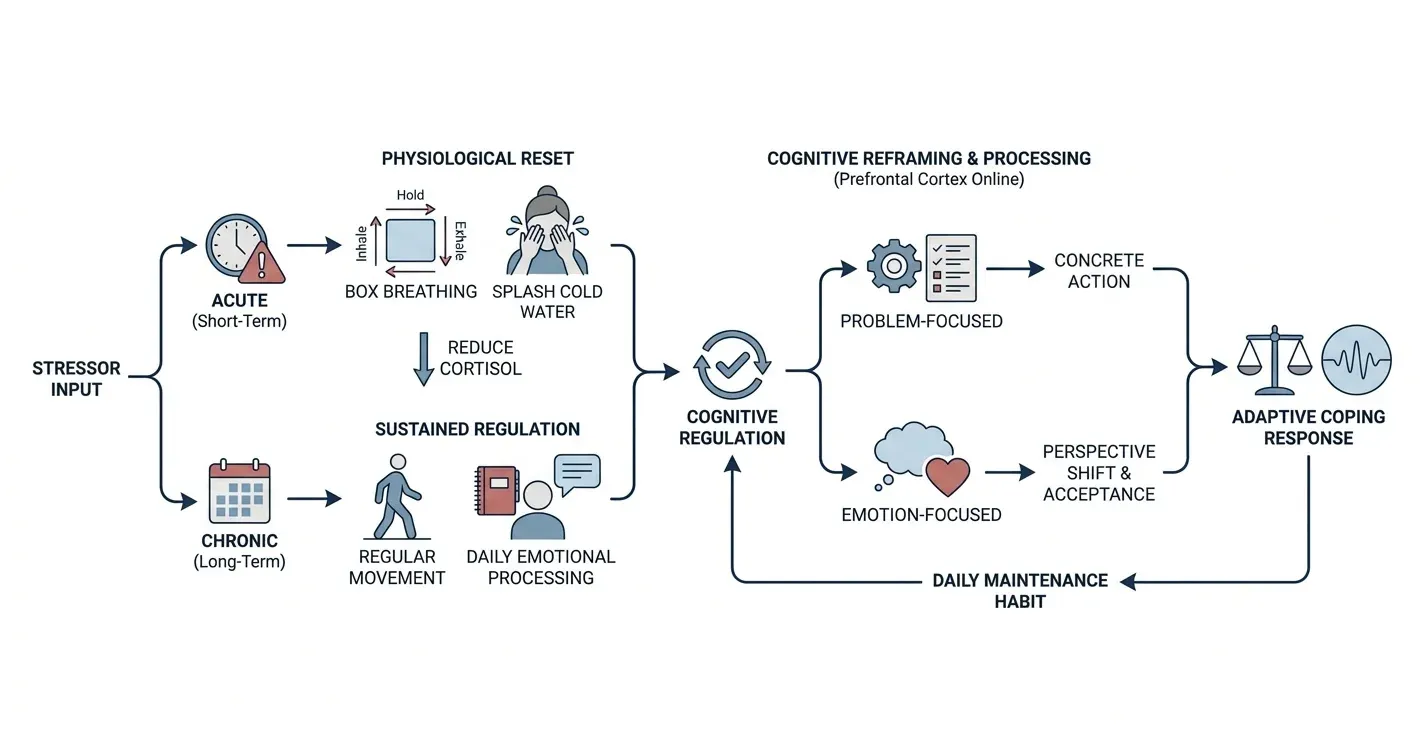
Look for an approach that supports personal reflection, not just symptom management. The best experiences encourage you to notice patterns in how you feel, name what triggers your emotions, and choose small actions that feel doable. For example, an anxiety-focused journey might include short prompts for breathing, grounding, and reframing, paired with questions that help you track what actually changed in your body and mindset. When the tool feels conversational and supportive, it can become easier to return to it consistently.
Evaluate conversation quality and emotional safety
Brand discovery starts with how the product communicates. A supportive AI assistant should guide you gently, using language that feels respectful and nonjudgmental. It should also encourage you to express what’s going on in your own anxiety relief app words, then help you structure those thoughts into something clearer. If the interaction feels robotic, dismissive, or overly directive, it may not provide the comfort you’re seeking during vulnerable moments.
Another important factor is emotional safety and clarity. Consider whether the app explains its role as a wellness companion rather than a replacement for professional care. You want features like calm check-ins, reflective journaling prompts, and “next step” suggestions that help you move forward without escalating distress. If you have relationship concerns, prioritize tools that ask context-building questions—like what you wanted to communicate, what you feared would happen, and what boundaries might protect your well-being. That kind of structure can turn an overwhelming topic into a manageable conversation.
Check features that support real-life habits
Beyond conversation, the most helpful platforms offer tools that integrate into everyday routines. Look for guided exercises that are short enough to use between responsibilities, such as breathing routines, grounding prompts, and cognitive reframing steps. These are especially valuable when emotions spike and you need an immediate way to regulate your nervous system.
Consider how the app handles relationship dynamics and recurring stress. Some people need help understanding attachment patterns, communication loops, or how to prepare for difficult talks. A strong platform supports those goals by helping you clarify your intentions, identify misunderstandings, and plan scripts or coping strategies for emotionally charged moments. You can also look for progress patterns such as recurring themes in your reflections, so you learn what triggers you most and which coping steps actually help. Over time, this turns mental wellness from a vague idea into a set of repeatable behaviors.
Conclusion
Choosing the right AI support experience is easier when you evaluate it through the lens of your own emotional goals, not just marketing claims. Prioritize tools that feel safe, conversational, and structured around reflection, because those qualities increase the chance you’ll use the app when you need it most. Pay attention to practical features like guided coping routines, relationship-focused reflection prompts, and habit-friendly check-ins that help you build consistency. For users exploring accessible emotional guidance, Lovon Inc offers a convenient path to understanding emotions and managing challenges with thoughtful support tools. With lovon.app, you can find resources designed to help users make sense of feelings, strengthen everyday mental wellness habits, and work toward healthier emotional responses. If you want an AI companion that supports personal reflection while helping you take small steps in daily life, Lovon Inc is worth discovering as part of your decision process.
