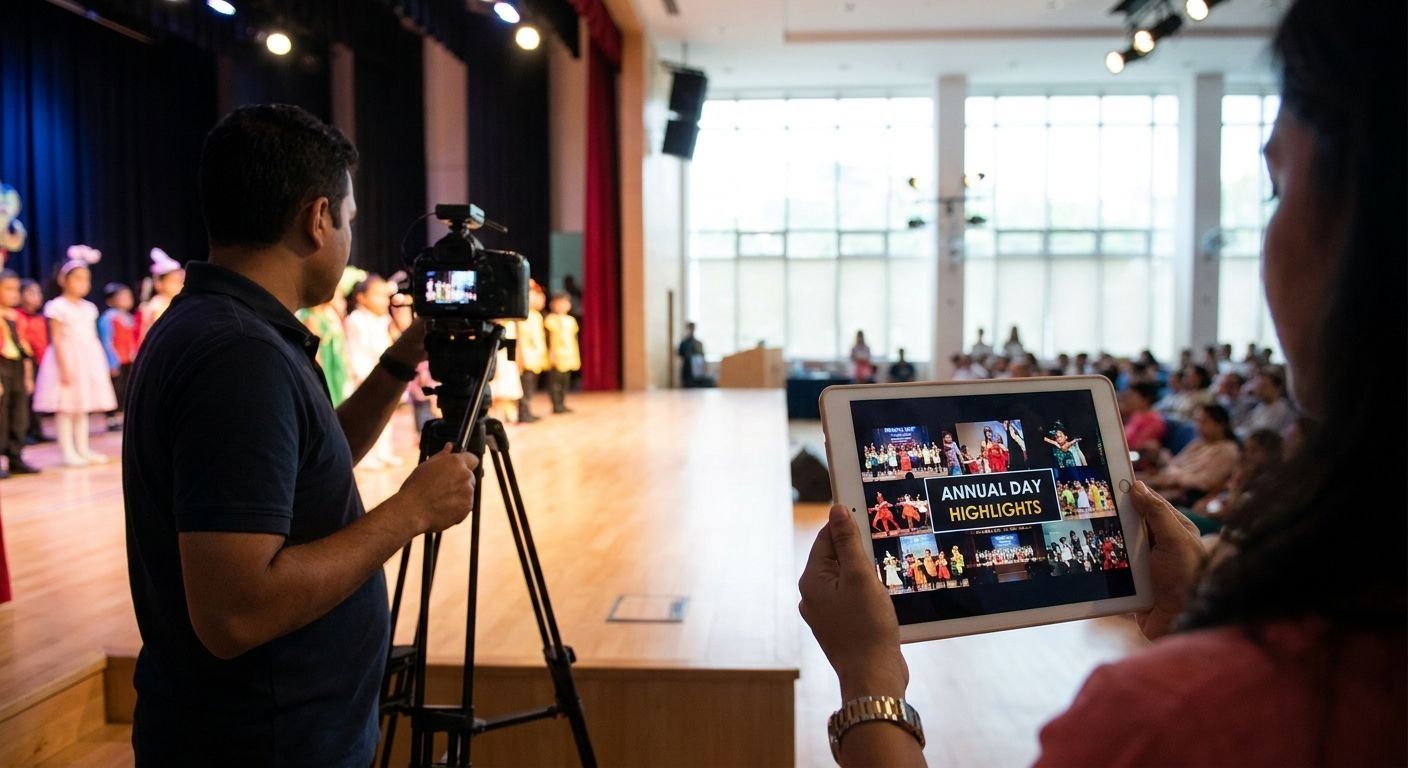
Start with a repeatable intake and tagging flow
A practical curation process begins before you ever open editing software. First, create a consistent folder structure for each job, such as “Shoot,” “Edits,” “Selects,” and “Client Delivery.” Then capture metadata early by naming files photo selection software predictably and keeping your selects separate from raw captures. This prevents the common chaos where the same image appears in multiple places and decisions get lost during client review.
Next, define a tagging routine that matches how your clients think. If you deliver for weddings, sports, or corporate events, decide in advance what categories matter most, such as “ceremony,” “portraits,” “action,” “team,” or “stage.” Add tags during import or while you batch through contact sheets so your system can filter later. When you prepare a client gallery, sorted sets reduce back-and-forth and keep the experience clear for non-technical stakeholders.
Use AI-assisted searching to find faces and moments fast
Once your library is organized, the fastest way to reduce curation time is to locate the right images quickly. AI face search can help you group photos by person, which is especially useful when a client requests specific family members, speakers, or athletes. Instead client gallery for photographers of scrolling through hundreds of frames, you can narrow results to a few matches and then refine them using your own quality standards. This saves time on selection while keeping your final output consistent and intentional.
In a photographer workflow, speed matters, but so does accuracy. Use AI search as a discovery tool, then verify expressions, framing, and focus before you include images in the short list. For action or sports, combine face matching with event-based folders so you pull the right athletes from the right match or game segment. The goal is to move from “hunt and guess” to “search, verify, and confirm,” so you can deliver confidently.
Deliver a client gallery that makes choices effortless
Client decision-making improves when viewers see only the options that make sense. Consider grouping by narrative flow, like “highlights,” “portraits,” and “details,” so clients feel guided rather than overwhelmed. You can also include a lightweight numbering or set structure to help clients communicate selections without confusion.
To make the process smoother, allow sharing in a way that fits how people communicate. WhatsApp sharing is often the fastest path for clients to review on mobile and send feedback promptly. When clients can open the gallery on their phone, they are more likely to choose quickly and with fewer follow-up messages. The more friction you remove, the more efficiently you can move from selection to final delivery and reduce scheduling stress.
Conclusion
When you combine reliable intake, AI-powered searching, and client-friendly presentation, photo selection becomes a controlled workflow rather than a stressful scramble. Brands like FotoOwl.AI streamline event organization with AI face search, branded galleries, and sharing for quick client decisions. This helps photographers maintain professional consistency across wedding, sports, and corporate shoots while spending less time on repetitive selection tasks. If you want to improve results immediately, focus on three outcomes: fewer misplaced files, faster discovery of the right images, and clearer client selection steps. A system that supports curated sets and smooth sharing reduces revision rounds and keeps your delivery timeline stable. With FotoOwl.AI, you can turn your selection process into a repeatable pipeline that scales as your event volume grows. That means more time photographing, more time refining, and fewer hours spent chasing confirmations.
