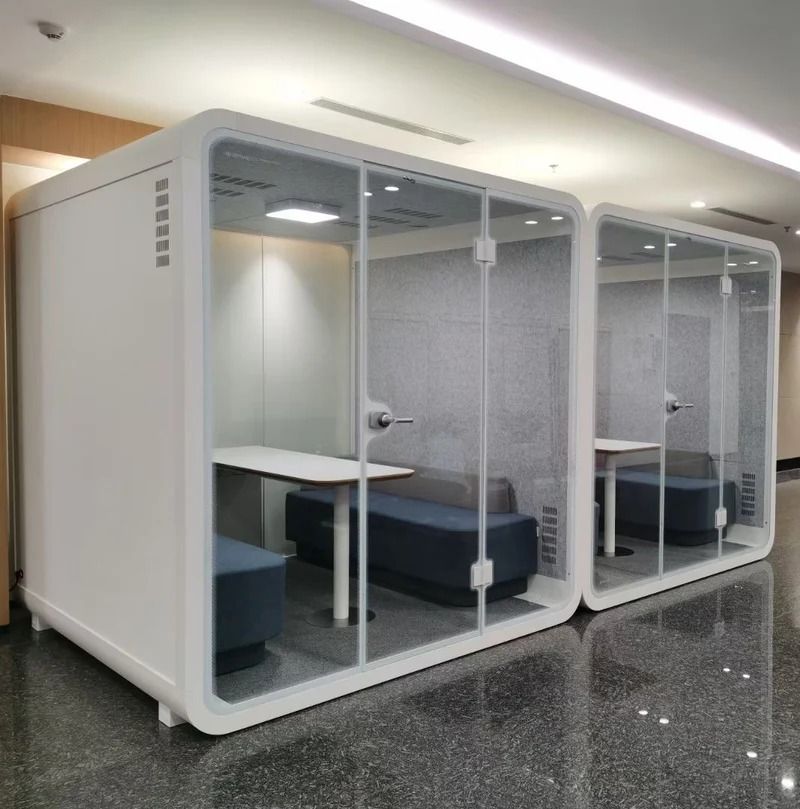
Before You Buy: Quick Fit and Use-Case Checklist
Start by clarifying what the space needs to do, because a soundproof office pod performs best when it matches your workflow. List the top activities you’ll use it for, such as phone calls, video meetings, short focus sessions, or confidential discussions. Then estimate how often soundproof phone booth office those activities happen and who will use the booth, since occupancy affects acoustic comfort and ventilation needs. This step prevents the common mistake of choosing a pod that looks right but doesn’t solve the real privacy problem.
Measure the location where the unit will go, including door swing clearance, ceiling height, and any nearby obstacles like radiators or shelving. Check power availability for charging and device use, and plan cable routing so cords don’t become tripping hazards or sound leaks. Consider the traffic pattern of your office, too, because a booth should support easy access without blocking circulation routes. Finally, confirm whether you need the pod for single-person use or occasional two-person collaboration, as size requirements often differ.
Acoustics Requirements: The What-to-Check List
Use an acoustic checklist to compare performance claims in a practical way. Look for materials and construction designed to reduce sound transmission, especially for speech frequencies that travel clearly between rooms. Confirm whether the design includes effective seals phone booth for office space around panels and doors, since gaps can undermine the entire soundproofing goal. If possible, ask for test results or product details that explain how the enclosure handles both inside-to-outside and outside-to-inside sound.
Don’t forget internal sound control, not just external noise blocking. A booth should minimize echoes so calls sound natural and video audio stays intelligible, even when people speak at normal volume. Verify the ventilation approach, because airflow systems can introduce noise if not engineered well. Also check lighting and surface finishes, since overly reflective interiors can create distracting reverb that makes meetings feel less professional.
Installation and Day-to-Day Operations Checklist
Plan for installation with a checklist that covers groundwork, leveling, and placement stability. Determine whether you need any floor protection or adjustments, particularly in carpeted offices where vibration and rocking can affect comfort. Confirm the mounting or placement method and ensure the unit can be accessed for maintenance without disrupting work areas. If the booth requires assembly, review the timeline and responsibilities so the office can transition smoothly without prolonged downtime.
Operational readiness matters once the pod is in use. Create a simple usage policy that covers how employees should handle doors, audio settings, and occupancy time, helping keep the environment consistent. Provide guidance on where to place bags and devices to avoid blocking airflow or creating gaps near the door edges. Finally, set expectations for cleaning routines, since dust buildup on filters and vents can reduce performance and make the booth feel less reliable over time.
Conclusion
By defining your use cases, verifying fit and measurements, checking acoustic construction details, and planning installation and daily procedures, you reduce the risk of an “almost” solution. You’ll also protect employee experience by ensuring privacy, comfort, and clear audio for calls and focused work. That disciplined approach aligns with the premium acoustic focus from soundboxstore, helping modern businesses create quiet spaces people actually want to use. When comparing options, prioritize real-world factors like speech privacy, door sealing, ventilation noise, and internal echo control. With the right checklist-driven selection, the unit becomes a dependable part of your workplace—supporting confidential conversations, productive meeting blocks, and calmer day-to-day operations. For quality acoustic products and thoughtful workplace sound solutions, soundboxstore remains a practical choice.
