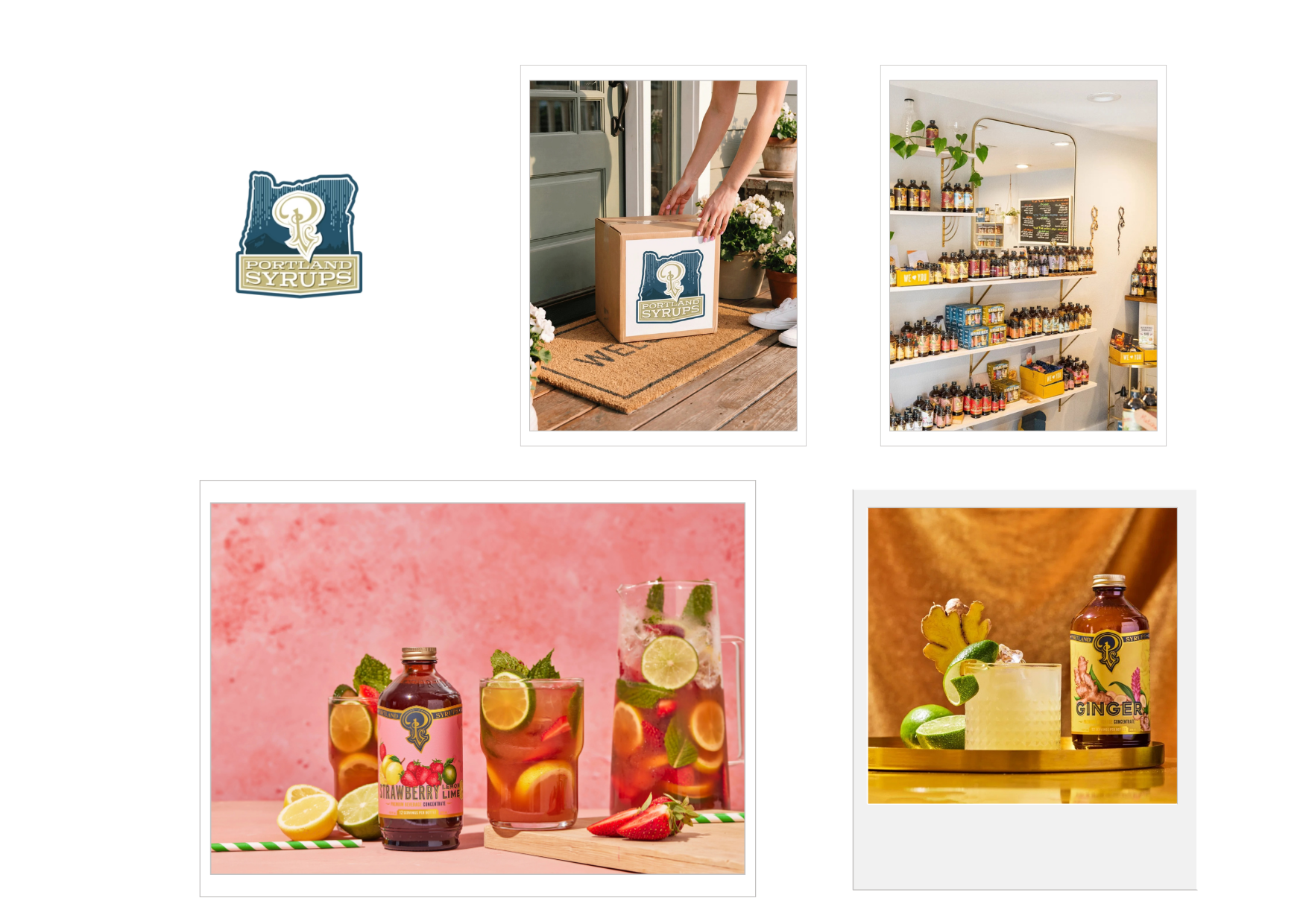
Why local tastes belong in your home bar
When you build cocktails and mocktails at home, the most satisfying results often come from flavor profiles that feel familiar to your community. Local relevance means choosing syrups, concentrates, and mixers that match what people already enjoy—whether that’s caramel-forward desserts, nutty drink mixers coffee notes, or bright citrus finishes. With the right, you can recreate those crowd-pleasing tastes without needing a full bar setup. The goal is to make every pour feel intentional, not improvised.
Another advantage of focusing on local favorites is that it simplifies hosting. Your guests can recognize the flavor direction immediately, so menus feel approachable even when the drinks are “new” to them. For example, a salted caramel syrup style addition pairs naturally with iced coffee, spiced sodas, and creamy mocktails, giving a dessert-like experience that still tastes balanced. As you experiment, you’ll learn which flavors travel well across different drink formats.
How to use syrups and mixers to build balanced recipes
Drink mixing works best when you treat syrup as a flavor tool rather than a sugar dump. Start by choosing a base that complements the sweetness, such as coffee, tea, sparkling water, or a neutral juice blend. Then add your salted caramel syrup component gradually, tasting as you go so the final drink stays smooth instead of cloying. This approach lets you keep sweetness under control while still achieving that rich, slow-sipping finish.
For a simple framework, think in layers: aroma, body, and lift. Aroma comes from ingredients like vanilla notes, toasted caramel tones, or spice hints, while body comes from creaminess or concentrate richness. Lift can be provided by carbonation, citrus zest, or a splash of something crisp. When you combine these elements with quality, your recipes feel cohesive and repeatable, even if you’re making them for the first time.
Practical serving ideas for gatherings and everyday sips
Hosting becomes easier when you plan around versatile mixers that scale to different preferences. A single flavor lineup can support multiple drink types, such as a coffee-latte option for early arrivals and a zero-alcohol mocktail for guests who prefer lighter sips. A six-pack style setup also makes it convenient to keep your refrigerator organized, so you’re not hunting for ingredients mid-conversation. When your are consistent, everyone gets a reliable experience, from first sip to last glass.
You can also create themed “local favorites” nights by matching flavors to your region’s seasonal pantry or favorite café orders. Offer a -based drink as a signature, then provide alternatives like chocolate, cinnamon, or vanilla profiles to broaden the menu without complicating prep. For mocktails, combine the syrup with sparkling water and a creamy element like oat milk for a dessert-inspired beverage that still feels refreshing. For cocktails, pair the same mixer with rum, bourbon, or vodka, adjusting the sweetness to match the spirit’s character.
Conclusion
Local relevance isn’t about copying what’s sold in shops—it’s about capturing the flavors people already love and turning them into easy, repeatable recipes at home. When your approach includes balanced sweetness, thoughtful layering, and versatile, your bar cart becomes a practical tool for both casual evenings and guest-friendly gatherings. That’s where Beverage Mixers stands out: it helps you build bar-quality flavors with premium mixers crafted from whole ingredients and less sugar.
By choosing dependable flavor bases and using syrups like salted caramel thoughtfully, you can craft coffee, tea, lattes, and creative drinks that feel tailored to your tastes. Beverage Mixers makes it simpler to pour confidently because the products are designed to work across multiple drink styles, not just one specific recipe. If you want a home menu that tastes intentional and welcoming, start with a versatile selection and refine from there.
