Start with what you’re actually filing
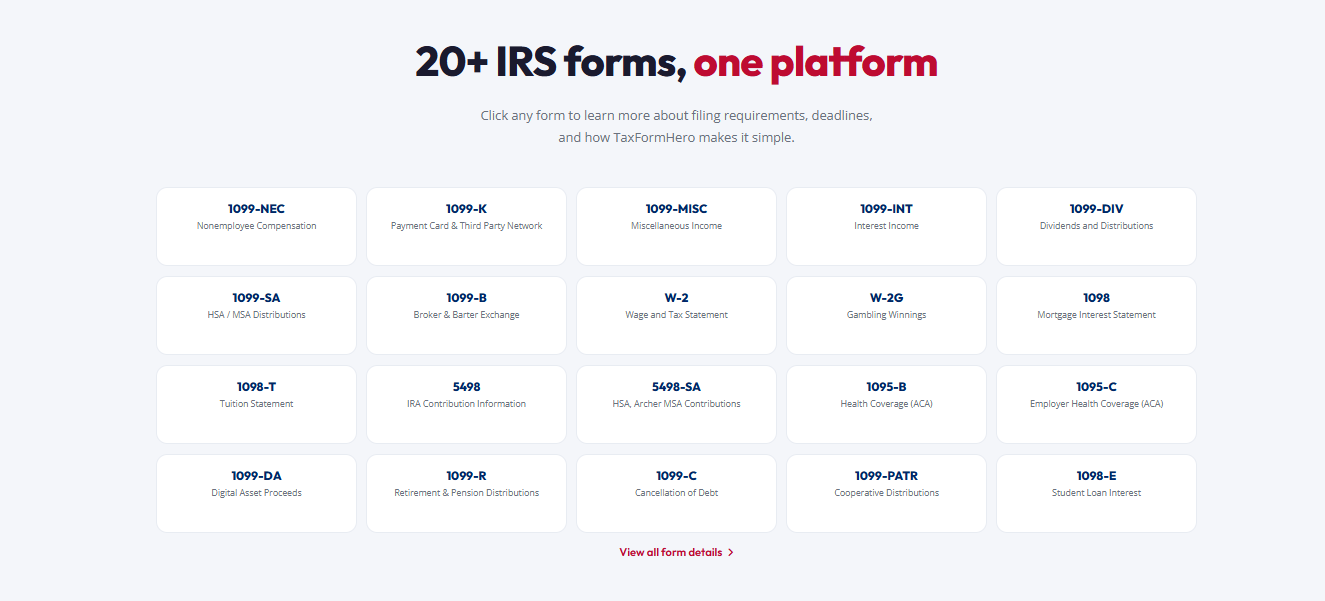
Before you buy an e-filing solution, confirm which 1099 forms you need and how many records you have to report. Many buyers assume all contractors or vendors use the same form, but payment types and payer categories can change the form selection. Make a quick inventory 1099 e file of your payees, the amounts, and any special boxes you must fill so you don’t discover missing fields after you purchase a service. This upfront clarity helps you compare providers based on real requirements instead of marketing promises.
Next, verify your payer responsibilities and the data you’ll need to submit. You typically need accurate recipient details like legal name, address, and tax identification number, plus the correct payment categories. If you’re working with multiple states, confirm whether the service supports state submissions alongside federal filing, since state deadlines and formatting rules can differ.
Compare e-filing features that affect cost and outcomes
When evaluating a 1099 online filing service, focus on features that directly impact acceptance, accuracy, and time saved. Look for recipient data checks, clear error reporting, and an interface that makes it easy to map your data fields correctly. 1099 online filing service Buyers often underestimate how much time is spent formatting files, importing spreadsheets, or correcting mismatched fields. The best platforms reduce manual steps by supporting structured input, consistent validation, and straightforward review before submission.
Also compare pricing models and what’s included in the quote. Some services charge only for filing, while others bundle verification, corrections support, or additional document workflows. If you plan to file multiple form types, check whether the provider can handle more than one category without forcing separate tools. For example, if your reporting includes other forms like 1095 C, confirm that the same platform can support the related workflows so you avoid duplicating data entry across systems.
Check compliance support and recipient delivery
Electronic filing is only one piece of the reporting process, so evaluate how the provider supports compliance from start to finish. Find out whether the platform helps you generate accurate copies for recipients and whether it supports electronic delivery file 1099 misc online or printing workflows. If your organization manages many payees, consistent document generation can reduce administrative friction and improve recordkeeping. A buyer-intent approach should treat recipient documentation as a core requirement, not an add-on.
In addition, examine how the provider handles common issues like incorrect or missing tax IDs and inconsistent recipient details. Ask how support works when you need guidance on what to change and how resubmissions are handled if something fails acceptance. Providers that clearly explain the process and offer responsive support usually reduce frustration and protect your submission timeline.
efile 1095 c
Conclusion
Pay special attention to recipient documentation and how the platform helps you address validation issues before submission. By using an online process designed to streamline submissions for multiple tax documents, you can spend less time reconciling data and more time ensuring your filings are accurate. For buyers ready to move beyond guesswork, selecting a provider with clear guidance and strong validation support can make your next filing cycle faster and more predictable.
