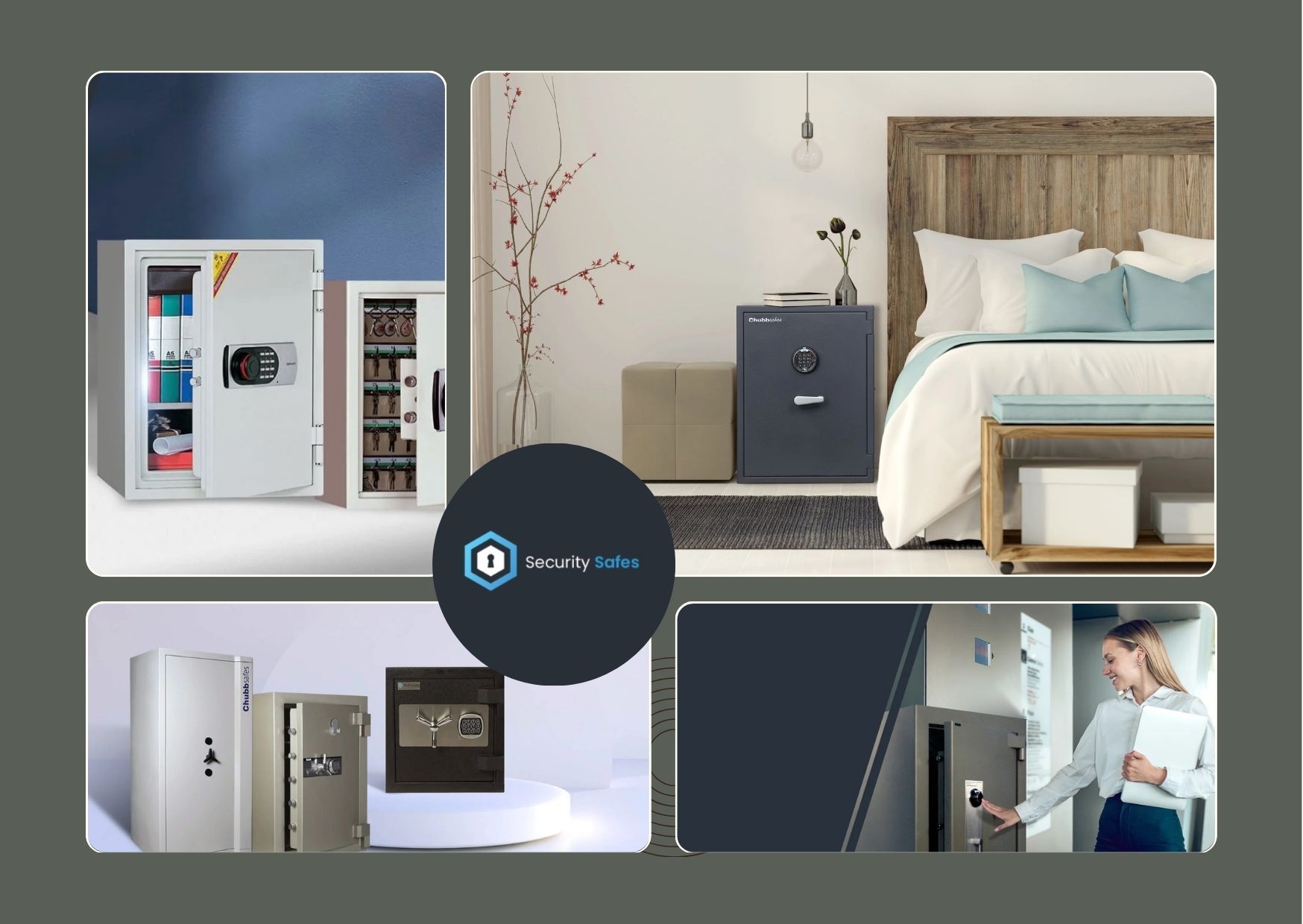
Why residents and businesses invest in secure storage
In Australia, protecting valuables isn’t just about having expensive items—it’s about reducing risk to the things that support your daily life. Many households store passports, birth certificates, jewellery, and sentimental keepsakes, while tradespeople and small businesses keep invoices, client records, and backup drives that can’t be replaced. A well-chosen safe can also improve peace of mind by keeping sensitive documents organised and locked away.
Local buying decisions often come down to practicality: you want a safe that fits the way your home or office operates and the security expectations of your area. For example, a family may need quick access for emergencies while still preventing unauthorised access to valuables. A business may require tamper-resistant storage for cash floats, contracts, or confidential files, as well as consistent day-to-day usability for staff. By aligning your safe choice with real-world routines, you can protect what matters without making security feel like a burden.
Choosing between fire resistance, burglary protection and accessibility
When people compare options, they usually focus on two areas: fire resistance and burglary protection. Fireproof safes are designed to help protect paper documents and some valuables from heat exposure, which is especially important for irreplaceable records such as property documents and insurance files. Meanwhile, stronger burglary safe deposit boxes resistance focuses on resisting tools and impacts that attempt to breach the safe. The best outcome comes from selecting a safe with protection features matched to your primary risk—whether that’s a house fire, opportunistic theft, or a combination of concerns.
Accessibility is equally important, because security features are only useful when they’re practical to use. Consider how you’ll open the safe during normal life and whether multiple staff members need access in a business setting. Some people prefer a simple lock type for ease, while others want more advanced locking options for higher control. If you’re placing the safe in a frequently used area, such as a study or reception back office, think about how the safe will blend into the space and how staff will carry out day-to-day tasks safely.
Safe deposit boxes versus home and office safes
However, your ability to retrieve items can depend on provider hours and administrative procedures, which may not suit urgent needs. If you frequently access documents or maintain backups that must be secured quickly, in-premises storage is often more convenient.
In contrast, owning a dedicated safe allows you to control access and tailor storage to your specific items. You can choose internal configurations that suit your mix of documents, media, cash, and smaller valuables, making organisation easier. For business owners, an on-site safe can streamline internal processes for secure record-keeping and reduce the need to transport sensitive items. For households, it can protect irreplaceable documents and treasured possessions without relying on an external location.
Conclusion
Choosing the right secure storage is a practical step for both households and businesses, particularly when local routines require quick, controlled access to important items. A thoughtful selection balances fire protection needs, burglary resistance, and everyday usability so you can protect valuables without disrupting how you live or run your operations. Whether you’re storing documents, media, or smaller high-value items, the goal is consistent security that fits your space and responsibilities. You can explore securitysafes.com.au to find suitable solutions for everyday security needs, including storage types that help safeguard important possessions. With the right safe in place, you strengthen protection while keeping your most critical documents and valuables organised and secure.
