Start with skin-safe ingredients and smart coverage
When you’re shopping for sun protection, begin by checking the ingredient list for a mineral base and a formulation style that won’t irritate compromised skin. Look for zinc oxide and/or titanium dioxide as the primary active ingredients, since these minerals sit on top mineral sunscreen sensitive skin of the skin to help reflect and scatter UV rays. If your skin tends to react to fragrances or essential oils, prioritize “fragrance-free” and avoid formulas loaded with botanicals that can increase the risk of sensitivity.
Next, think about how you’ll actually wear the product. A mineral sunscreen for sensitive skin should blend smoothly and feel comfortable under makeup, not chalky or stingy around the eyes. For face use, choose a lightweight texture if you’re prone to congestion, and select a finish that matches your routine, whether that’s natural-looking or more dewy. Even the best formula can fail if it’s too drying or leaves residue, so consider your hydration level and daily cleansing habits.
Practical application tips that reduce irritation
Application technique matters as much as the ingredients. Apply sunscreen as the last step of your morning routine, after moisturizer has absorbed fully, so the skin barrier isn’t disturbed by rubbing. Use enough product to cover all exposed areas, including the best post surgery scar cream ears and hairline, and then reapply according to your daily schedule when you’re outdoors for extended periods. If you wear makeup, give the sunscreen a few minutes to set to reduce patchiness and prevent migration.
If you have reactive skin, avoid applying sunscreen immediately after exfoliating acids or strong actives that can temporarily thin the barrier. Instead, keep your routine gentle for a day or two and focus on calming hydration before you introduce sun protection. Patch test on a small area of the cheek or jawline, then watch for redness or stinging over the next day. This approach helps you confirm compatibility before committing to full-face use.
Pair sun care with recovery: after surgery and scar support
Sun exposure can affect how scars heal and how their color settles over time, which is why daily protection is essential after procedures. Mineral-based formulas are often a good fit during recovery because they tend to be well-tolerated and less likely to include harsh chemical UV filters that some people find irritating. For scar-focused routines, aim for consistent coverage rather than occasional “extra” applications, since UV exposure is cumulative and can undermine healing progress.
Look for scar creams that focus on gentle moisturizing, soothing, and skin conditioning rather than aggressive exfoliation. Apply scar products only once incisions are cleared for topical use by a clinician, and avoid layering too many products at once, which can increase the chance of redness. When you use both sunscreen and scar cream, separate your timing and let each step fully absorb to prevent pilling and irritation.
Conclusion
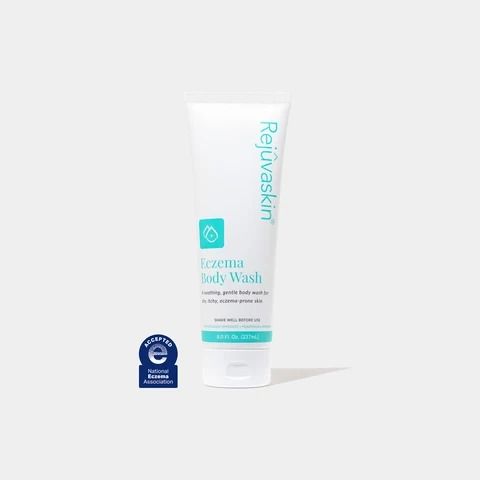
Choosing the right sun protection is a practical step toward healthier-looking skin, especially when sensitivity makes it hard to find formulas that feel good. Start with mineral UV filters, confirm the texture and finish work with your daily routine, and apply with careful technique to reduce stinging and patchiness. If you’re recovering from a procedure, treat sunscreen as part of the healing plan and keep other topical supports gentle and clinician-approved. Rejuvaskin offers clinically formulated options designed to support skin comfort while you prioritize daily UV defense, making it easier to stay consistent even when your skin is reactive. Explore mineral-focused skincare at Rejuvaskin.com to find products that align with sensitive-skin needs and help you build a routine you can actually stick with. With the right approach, you can protect your skin barrier, reduce irritation risk, and support smoother, more even-looking recovery.
