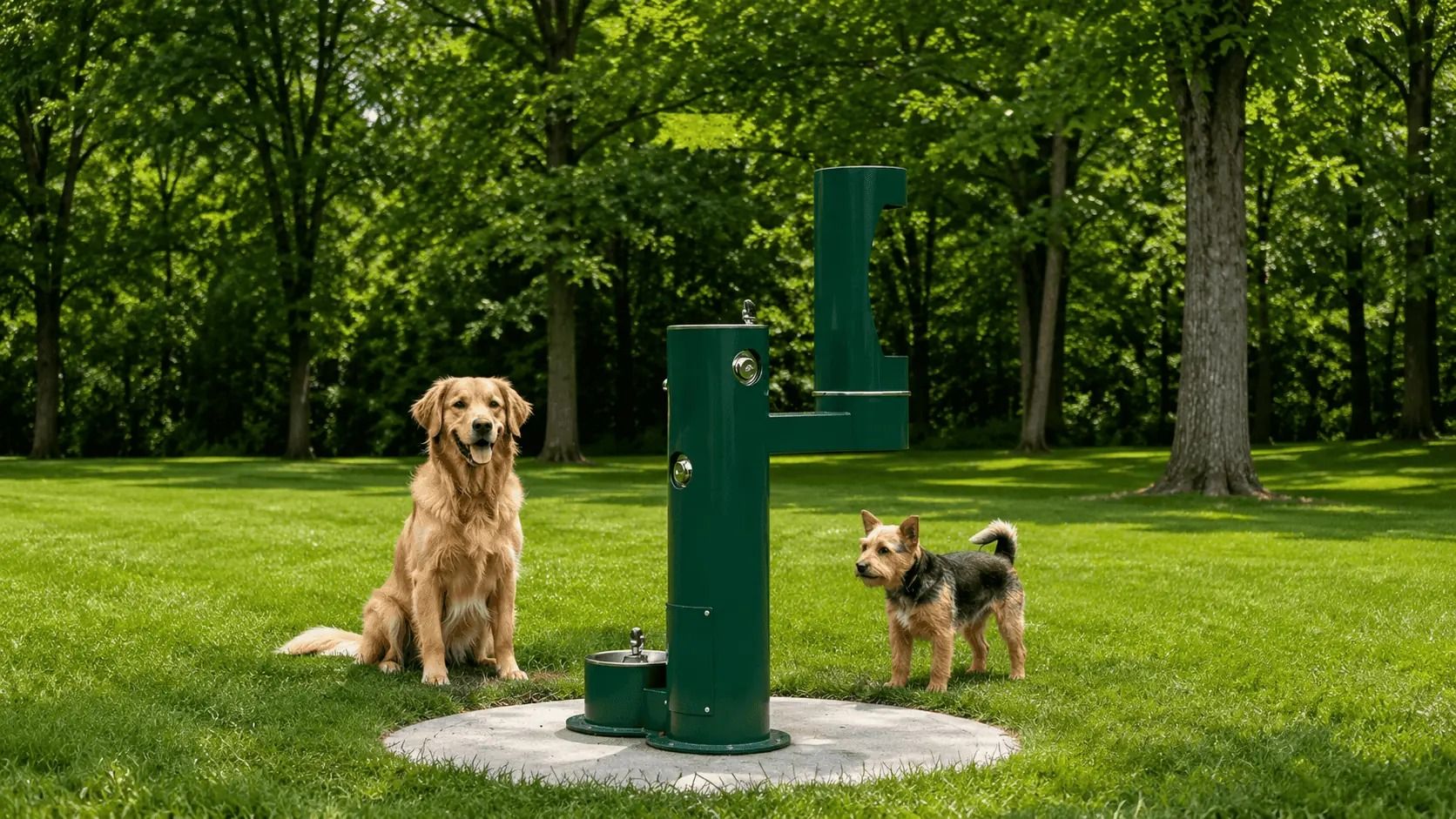
Why Public Hydration Fails (and How to Spot It)
Many parks and recreation areas assume that a water source will be enough, but hydration systems often fail due to design oversights and daily-use realities. Bottle-filling units can clog when debris enters the inlet, and poorly placed fixtures parks and rec drinking fountain can be hard to access for kids, seniors, or visitors with mobility needs. You may also see bottlenecks where crowds gather at the same outlet, reducing the overall efficiency of the area.
Another common issue is neglecting hygiene and complementary cleaning needs. When visitors can’t quickly rinse hands or prepare before play, they may look for informal alternatives, leading to mess, complaints, or health concerns. A foot washing station near appropriate pathways can reduce slips and track-in dirt while supporting a cleaner user experience across busy recreation zones.
Design Solutions That Keep Water Flowing Reliably
A reliable hydration program starts with choosing equipment that matches high-traffic conditions. Durable outdoor drinking fixtures should be built for frequent public use, including exposure to weather, heavy touch foot washing station points, and constant demand during peak recreation hours. Look for systems designed with straightforward maintenance access so staff can service parts without long downtime.
Pay attention to flow performance as well as build quality. Users often abandon a station if water pressure feels inconsistent or if the unit takes too long to activate. Motion-activated or easy-to-use controls can cut waiting time, and bottle fillers help reduce waste by supporting reusable bottles. When the drinking solution is dependable, visitors hydrate more confidently and the facility sees fewer “out of service” reports.
Pair Hydration With Cleanliness for Safer Use
Water access works best when paired with sensible cleanliness features. This approach improves overall cleanliness while also demonstrating that the facility cares about user comfort and hygiene.
Operational planning matters just as much as product selection. Clear signage, convenient placement, and a predictable cleaning schedule help prevent standing water and maintain a pleasant experience for everyone. Staff can also manage usage patterns by placing hydration and cleaning features where foot traffic naturally moves, reducing congestion and keeping the area functioning smoothly.
Conclusion
Solving public hydration gaps requires both the right hardware and the right layout. Facilities also benefit from easier maintenance, fewer service interruptions, and improved satisfaction across day-to-day operations. If you’re equipping parks, schools, recreation areas, or other high-traffic spaces, The Fountain Direct offers commercial drinking solutions built for quality and value. The result is a public water system that performs when people rely on it, helping communities stay hydrated while keeping shared spaces cleaner and more welcoming.
